 Ruling party secretary-general Taro Aso is the odds-on favourite to become Japan’s next Prime Minister later this month. He will be the 11th prime minister in the last 15 years. The 67 year old Aso was runner up to incumbent Yasuo Fukuda in last year’s election for premier and remains a popular and congenial figure. It is possible he will now be the only candidate to replace Fukuda who resigned on Monday. The chair of the ruling LDP's general affairs committee, Takashi Sasagawa said the party would meet on Wednesday to formally set a date for the internal leadership vote. Japanese media expect the vote to occur on September 20 or 22. Aso announced his intension to run yesterday. "I think [Fukuda] felt he had work that was left undone, and he said he wanted it to be carried out," he said. "As someone who discussed these issues with him…I think I have the credentials to take that on”.
 Aso is a former foreign minister and a hawkish and straight-talking right-winger. His power is based in the party’s grassroots and he is no friend of Fukuda. In a cabinet shuffle last month Yoshiro Mori, one of the LDP’s power brokers (and a former unsuccessful PM himself), foisted Aso onto a reluctant Fukuda as the party’s new secretary-general. According to The Economist, Aso has done nothing since his appointment but work behind the scenes to undermine Fukuda.
Though his resignation was not unexpected, there was no obvious trigger for its announcement. Fukuda,72, called it a day on Monday saying he had decided several days earlier to step down to avoid creating a "political vacuum". At his farewell media conference, Fukuda said a cabinet reshuffle and the recent announcement of $107 billion in spending and tax cuts had not lifted his deeply unpopular administration in the polls. Fukuda was deeply unpopular and has been hampered by a hostile Upper House where the opposition Democrats blocked government bills and appointments, including Fukuda's candidate to be governor of the Bank of Japan.
The moderate conservative only took office last September after his predecessor, Shinzo Abe, quit in similar circumstances and after a similar time period in the job. Malcolm Cook at The Interpreter believes Aso has a better chance of staying longer in the job than either Abe or Fukuda. Unlike the two previous leaders Aso is popular and charismatic and can provide a message of hope and renewal. In that respects he most resembles the country’s last successful leader Junichiro Koizumi. Cook calls Aso a “Koizumi plus” candidate who will take a very strong line on strengthening the US alliance and on viewing China as a strategic competitor and a threat to Japan.
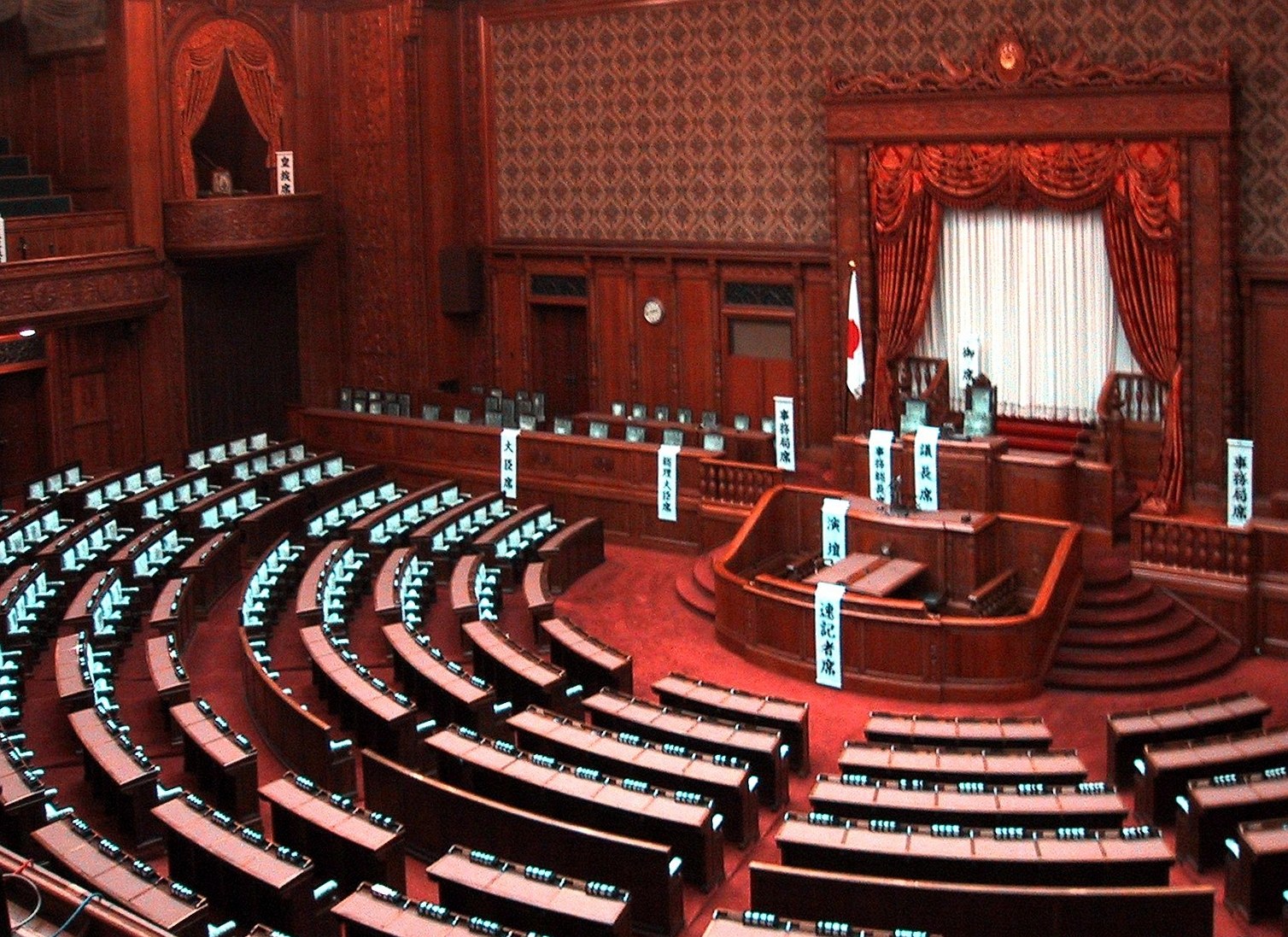 But for now the biggest threat to Japan remains Japanese politics. Fukuda struggled to cope with a divided parliament where opposition parties have the power to delay legislation. He tried and failed several times to compromise with Democrats' leader, Ichiro Ozawa (who quit the LDP in the 1990s). Important legislation could be rammed through the Diet thanks only to the two-third’s “supermajority” enjoyed by the ruling coalition in the lower house. But most notable was the failure to pass a bill to renew the Japanese navy’s refuelling mission in the Indian Ocean, an embarrassing set-back to the country’s commitment to the war in Afghanistan.
 Fukuda’s sudden exit now raises questions about the LDP’s ability to cling to power or even avoid splitting up after ruling Japan for most of the past 53 years. The LDP does not have to call an election until next year but the Democrats are now pushing for an early vote. The party’s secretary-general Yukio Hatoyama said Fukuda’s sudden department showed that LDP didn’t have the ability to hold the reins of government. “I am deeply resentful towards Fukuda for not caring about people,” he said. “All we want is the calling of early elections.”


